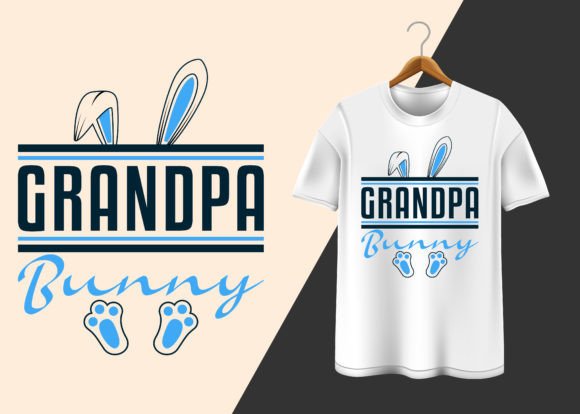
Grandpa Bunny: A Heartfelt Typography Design for Embroidery Projects
As an experienced designer and embroidery product reviewer, I often find myself evaluating digital embroidery files based on their usability, versatility, and visual impact in real-world applications. Grandpa Bunny is a holiday-themed typography design that caught my eye not just for its festive message but for how it translates into practical embroidery work. This review comes from the lens of someone who has stitched hundreds of designs across various substrates and products—so let’s dive into what this design brings to the table.
First Impressions: The Mood and Personality of Grandpa Bunny
When I first opened the digital embroidery file, the phrase “Easter Day” stood out with a warm, handwritten feel. The bunny motif adds a whimsical touch without overpowering the text, making it ideal for those who want to evoke nostalgia or family traditions. The layout is balanced and centered, with soft curves and playful elements that give it a gentle, approachable mood.
I immediately sensed that Grandpa Bunny would look best on softer, more casual garments like sweatshirts or tote bags where the design can breathe and the texture of the fabric complements the hand-lettered style. It feels less formal than typical commercial holiday graphics, which makes it perfect for boutique brands or handmade shops aiming for a personal, artisanal aesthetic.
Design Details That Matter
- Typography: The lettering has enough character to stand out but remains readable at a distance. It uses subtle variations in line weight and spacing that mimic natural handwriting, giving the design a unique personality.
- Bunny Element: The bunny is stylized rather than realistic, with clean lines and a few decorative details. It works well as a central feature or supporting element depending on the project.
- Color Palette: The thread colors included are bright and cheerful, fitting for Easter. However, they’re also easily customizable, which is great for designers looking to match brand colors or fabric tones.
- Layout: Centered and symmetrical, the design offers a clear focal point. This helps when positioning the piece on curved or uneven surfaces, such as caps or baby clothes.
Real-World Performance in Embroidery Projects
Let’s imagine a scenario where we’re preparing custom embroidered tote bags for a local craft fair. Grandpa Bunny could be used as a main graphic, especially if paired with pastel fabrics or linen blends. The softness of the typography contrasts nicely with the structured nature of a tote bag, creating a charming and memorable product.
On sweatshirts or hoodies, this design performs well due to the forgiving nature of heavier cotton knits. The bunny and text won’t stretch out too much, and the stitch density is low enough to avoid puckering. For custom apparel aimed at families or children, the theme is both appropriate and appealing—it feels like a celebration of tradition and togetherness.
In baby embroidery, the design could work beautifully on onesies or bibs, provided you scale it down appropriately and adjust stitch types. The bunny is simple enough to maintain clarity even at smaller sizes, and the font choice is gentle and non-threatening, which suits infant wear perfectly.
For embroidered patches, the design’s compact nature and clear outlines make it a strong candidate. You can stitch it onto felt or woven interfacing and attach it to jackets, backpacks, or denim items. It adds a nostalgic flair without being overwhelming.
Another interesting use case is nursery decor. Imagine stitching this onto a pillow cover or wall hanging in a light pastel hue. The design's warmth and charm align well with the cozy, personalized vibe many parents seek in their child’s room.
Where to Use It Carefully
While Grandpa Bunny is versatile, there are situations where it might not perform optimally. Here are a few areas to consider before committing to a full production run:
- Small Hoop Sizes: If you're working within tight constraints, such as embroidering a cap or a small patch, some of the finer details in the bunny may become lost or distorted. Always test on scrap fabric first.
- Textured or Stretchy Fabrics: The design relies on smooth, even surfaces for the best results. On materials like corduroy or jersey knit, the stitches may not lay flat, reducing the overall clarity and appeal.
- Dark Fabric Backgrounds: The default thread colors are bright and may lose contrast on darker substrates. Consider using white or metallic threads for better visibility.
- Dense Stitch Areas: Some parts of the design require careful attention to stitch density to prevent bunching or distortion. Especially in corners or around the bunny’s ears, adjusting the stitch type (like using running stitch or satin stitch) can help maintain quality.
- Frequent Washing: Since this design isn’t overly intricate, it should hold up well over time. But if you're planning to use it on items like tea towels or blankets that get washed regularly, double-check the stabilizer and backing choices to ensure durability.
Visual Appeal and Customer Reaction
The visual personality of Grandpa Bunny is friendly and inviting. It doesn’t scream “holiday,” but instead whispers it through a combination of shape, color, and sentiment. Customers who value sentimental or family-oriented themes will likely respond positively to this design, especially during Easter season.
It also enhances the product value by adding a layer of thoughtful detail. Whether it's a personalized gift or part of your craft business offerings, this design signals care and creativity. For Etsy sellers and small shop owners, that kind of presentation can significantly boost buyer engagement and trust.
Handmade Presentation and Brand Consistency
One thing I appreciate about Grandpa Bunny is how it fits seamlessly into a handmade product lineup. Its organic style doesn’t clash with other artisanal elements and actually supports a cohesive brand identity if you're curating a line of seasonal or family-themed items.
Using this design consistently across different small shop product categories—such as tote bags, aprons, and baby clothes—can help reinforce your brand’s visual language. Just make sure to keep the thread colors aligned and the placement consistent for a unified look.
Designer Notes: Making It Work for You
If you're planning to incorporate Grandpa Bunny into your next embroidery project, here are some key considerations:
- Test on Scrap Fabric: Before going all-in, try stitching the design on a sample of the actual fabric you'll be using. This helps catch issues with stitch behavior early.
- Review Thread Color Contrast: Depending on your fabric choice, you may need to tweak the thread palette for optimal visibility. Light fabrics benefit from dark threads, and vice versa.
- Check Stitch Density: Adjust the stitch count in high-density areas to prevent puckering or distortion, especially if you're working with delicate materials.
- Confirm Hoop Size: Make sure your hoop can accommodate the design’s full size (7000×5000 pixels). Scaling improperly can affect proportions and legibility.
- Inspect Small Details: The bunny’s facial features and any tiny text elements may require extra attention when resizing or converting between formats like AI, EPS, or PNG.
- Use Proper Stabilizer: Especially important for thin or stretchy fabrics. A good stabilizer ensures the design stays crisp and clean after stitching.
- Test Black and White Mockups: If you're considering monochrome versions, confirm whether the design still reads clearly without color.
- Compare Light and Dark Backgrounds: Visualize the design on both ends of the spectrum to see how it adapts and maintains readability.
- Check Licensing: If you plan to sell finished products or digital assets, verify the licensing terms to ensure compliance and protect your business.
Final Thoughts on Grandpa Bunny
Grandpa Bunny is more than just a machine embroidery design—it’s a statement piece that resonates with customers looking for meaningful, handcrafted touches in their purchases. Whether you're an embroidery designer working on a seasonal collection or a creative entrepreneur crafting personalized gifts, this design offers a blend of charm and functionality that’s hard to ignore.
Its ability to adapt across multiple embroidery projects while maintaining a consistent visual tone makes it a valuable addition to your design library. And when used thoughtfully, it can elevate your handmade product line with a sense of warmth and authenticity that sets your work apart.
Remember, every embroidery file needs to be tested and tailored to your specific needs. Take the time to explore its potential, and don’t hesitate to experiment with thread colors or stitch types to make it uniquely yours.