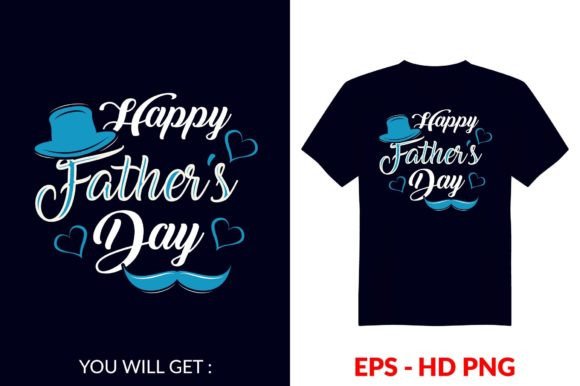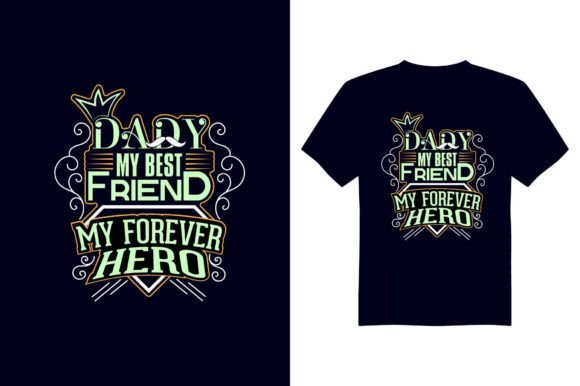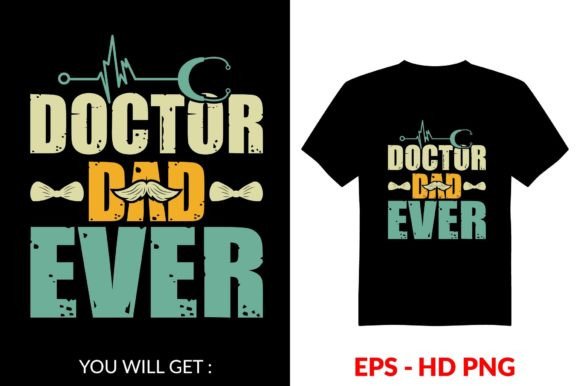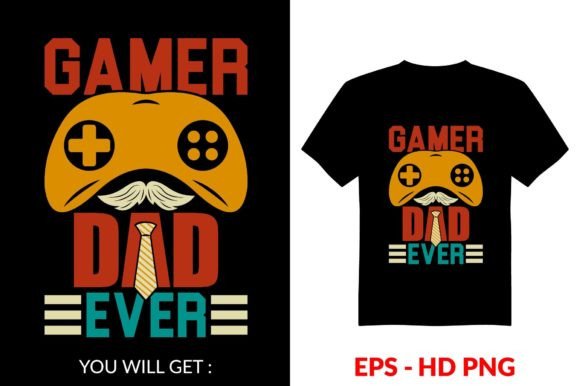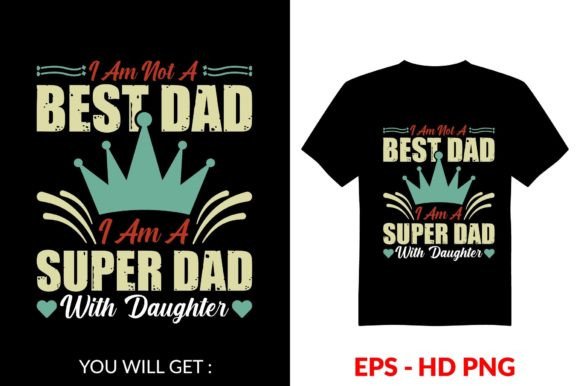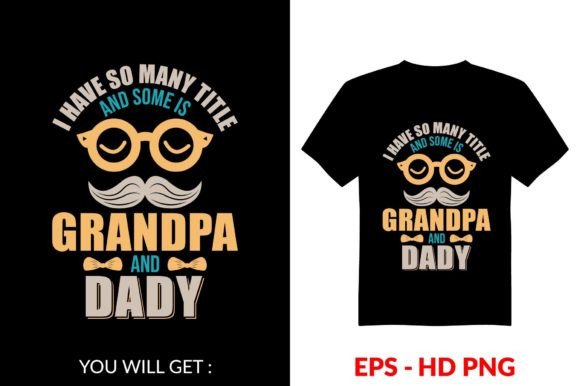
Father's Day Vintage T-Shirt Design 9 Review
As an experienced embroidery designer and product reviewer, I always look for designs that not only stand out visually but also perform well in real-world stitching scenarios. Recently, I had the chance to evaluate Father's Day Vintage T-Shirt Design 9, and here’s what I found after putting it through its paces with a few practical projects.
First Impressions: A Nostalgic Yet Modern Feel
The first thing I noticed about Father's Day Vintage T Shirt Design 9 is its warm, vintage-inspired aesthetic. It carries a subtle retro charm without feeling outdated—perfect for today’s market where nostalgic themes are trending but still need a fresh twist. The layout is balanced, with clear focal points that draw the eye toward the main message or imagery. Whether it's a bold graphic or soft lettering, the design has a personality that leans into celebration while maintaining a timeless quality.
What stood out most was the thoughtful use of negative space and the way elements are layered. This gives the design depth and makes it adaptable across different embroidery applications. From my perspective, it naturally fits into custom apparel, personalized gifts, and even small shop merchandise. The theme feels versatile enough to be reimagined in various formats like embroidered patches or printed mockups for digital storefronts.
Real-World Performance: Stitch Quality and Visual Clarity
I tested this design on a cotton-polyester sweatshirt using standard embroidery settings. The result? A clean, sharp image with good stitch density in key areas. The satin stitches were smooth, and the fill stitches maintained their shape without puckering. However, I noticed that some of the finer details, such as tiny icons or script-like text, required closer inspection. These might not render perfectly on every fabric or machine setup, so attention is needed when applying them to high-quality handmade products.
One of the strengths of Father's Day Vintage T Shirt Design 9 is how it adapts to different project types. For example, when I tried it on a tote bag design, the visual impact was strong—especially on lighter-colored fabrics. The contrast between the thread colors and the background made the message pop, which is essential for any holiday embroidery or gift item. But when I moved to a stretchy, textured fabric for a baby clothing project, the same level of clarity wasn’t achieved. That told me right away where to be cautious.
Where This Design Shines
- Custom Apparel: The design works beautifully on t-shirts, especially when paired with a minimalist layout. It adds a touch of elegance to casual wear, making it ideal for boutique branding or craft fair products.
- Holiday Gifts: With its Father's Day focus, it's a great fit for seasonal items like pillow covers or aprons. The sentimental tone and classic style make it a strong contender for heartfelt handmade gifts.
- Digital Product Previews: As an Etsy seller or digital product creator, the design looks excellent in printable mockups. Its vintage feel pairs well with retro-themed backgrounds, helping your listings stand out.
- Commercial Embroidery: If you're selling finished goods, the design offers enough uniqueness to justify premium pricing. Just ensure you confirm licensing before offering it commercially.
Areas to Approach with Caution
- Small Hoop Sizes: While the design isn't overly large, intricate sections may struggle in tight hoop spaces. Always check the recommended hoop size if provided.
- Textured or Stretchy Fabrics: On materials like fleece, knit, or canvas, the fine lines and delicate features can lose definition. Test on similar fabric textures before committing to production runs.
- Dark Backgrounds: The default thread color palette includes light shades, which work best on medium to light-colored garments. Dark fabric could mute the design unless you switch to darker threads or reverse the layout.
- Curved Surfaces: When applied to caps or curved seams, the alignment needs careful adjustment. Otherwise, the design can appear skewed or stretched, which affects the overall professionalism of the finished product.
- Dense Stitch Areas: Some parts of the design have heavy fill stitches that might require additional stabilizer to prevent distortion. This is particularly important for thin or delicate fabrics.
Customer Appeal and Brand Value
In terms of customer trust and giftability, Father's Day Vintage T Shirt Design 9 delivers. It conveys care and thoughtfulness, which is crucial for personalized gifts or emotional products like holiday embroidery. The vintage aesthetic also opens up possibilities for niche markets—think retro-themed boutiques or makers who specialize in heirloom-style items.
From a brand consistency standpoint, this design aligns well with stores or shops that focus on classic, handcrafted appeal. It helps maintain a cohesive look across your inventory, whether you're creating tote bags, tea towels, or decorative accents. The visual recognition factor is strong enough to support repeat buyers looking for signature styles.
Designer Tips for Using This Embroidery File
If you're considering using Father's Day Vintage T Shirt Design 9 in your next project, here are a few tips to help you get the best results:
- Test First: Always try the design on scrap fabric before moving to final products. This helps you identify potential issues with stitch flow or fabric compatibility.
- Check Thread Contrast: Ensure that the thread colors you choose complement your base fabric. For instance, if you're working on a black sweatshirt, you’ll want to consider switching to darker thread shades for better visibility.
- Review Stitch Density: Adjust the stitch density depending on the fabric type. Dense fills on stretchy materials can cause distortion, while sparse ones might look too flat.
- Confirm Hoop Size: Although the design doesn't come with specific hoop recommendations, it’s wise to determine the smallest usable hoop to save material and time.
- Inspect Small Details: The design includes delicate elements like small lettering or ornamental flourishes. Use a magnifying tool to verify these will stitch cleanly and clearly.
- Try Black and White Mockups: Before purchasing the digital embroidery file, test it in grayscale to see how it translates without color. This can help you visualize how it will look in monochrome prints or dark fabric versions.
- Use Proper Stabilizer: Especially for lightweight or stretchy materials, a tear-away or cut-away stabilizer can make all the difference in preventing puckering or shifting.
- Confirm Licensing: If you plan to sell finished products or offer the design as part of your digital product line, double-check the licensing information. This ensures compliance and protects your business from legal issues.
Project-Specific Considerations
For embroidered patches, the design works well when resized appropriately. However, due to its detailed nature, it may not hold up well at very small sizes. For sweatshirt embroidery, I recommend using a slightly larger hoop size to allow room for stabilization and movement during stitching.
When it comes to handmade product creation, like a nursery decor piece or a custom apron, the design’s adaptability is a big plus. You can tweak the layout, adjust the scale, or even combine it with other graphics to create something unique for each client or buyer.
On the flip side, if you’re working on items that undergo frequent washing, like baby clothes or kitchen towels, pay close attention to the stitch count and thread tension. High-density areas might shed over time if not properly stabilized and stitched with quality thread.
Final Thoughts for Crafters and Entrepreneurs
Father's Day Vintage T Shirt Design 9 is more than just another print template—it’s a design that brings warmth and character to your embroidery projects. It’s suitable for both hobbyists and commercial creators, as long as they approach it with the right tools and mindset. The key is understanding where the design thrives and where it needs extra care.
Overall, I’d say this is a solid choice for anyone aiming to elevate their embroidery project with a touch of nostalgia. It adds value to handmade products and enhances buyer engagement by tapping into emotional themes. Just remember to take your time with the setup, and don’t skip the test run. Your customers—and your craft business—will thank you for it.